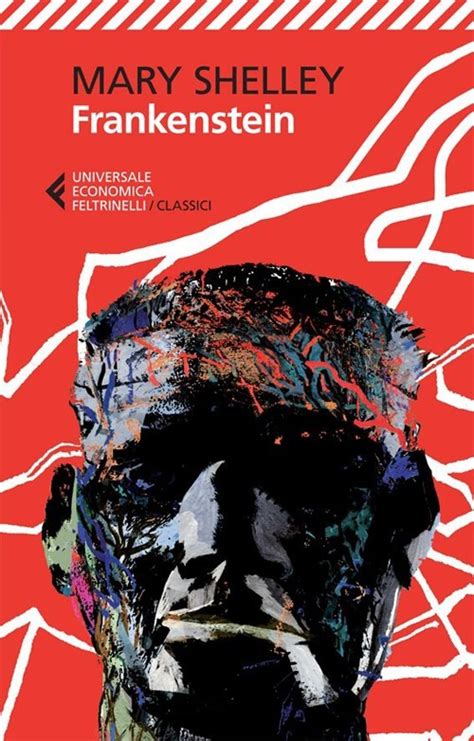
"Uno spettro si aggira per l'immaginario collettivo, e questo spettro si chiama Frankenstein. Mary Shelley ha indubbiamente creato un capolavoro, ma anche una sorta di icona pop, divenuta proverbiale e versatile, tale da essere evocata nelle situazioni più impensate. [...] Da un lato Frankenstein suscita interesse come ipotesi sulla possibilità di un mortale di sostituirsi a Dio, o alla Natura, mentre dall'altro riporta alla luce ogni sentimento di orrore e di repulsione radicato nei più profondi recessi dell'animo umano. Sotto questo punto di vista, l'impatto dell'opera sul lettore è duplice, stimolandone allo stesso modo l'interesse così come le più cupe emozioni; il ritmo serrato dell'inseguimento assieme ai crimini perpetrati dal mostro contribuiscono ulteriormente a tenere alta la tensione, mentre il pericolo della cosiddetta "hideous progeny" - a cui la creatura potrebbe dare origine se dotata di una compagna della stessa specie - provoca le stesse paure generate dal dilagare di …
"Uno spettro si aggira per l'immaginario collettivo, e questo spettro si chiama Frankenstein. Mary Shelley ha indubbiamente creato un capolavoro, ma anche una sorta di icona pop, divenuta proverbiale e versatile, tale da essere evocata nelle situazioni più impensate. [...] Da un lato Frankenstein suscita interesse come ipotesi sulla possibilità di un mortale di sostituirsi a Dio, o alla Natura, mentre dall'altro riporta alla luce ogni sentimento di orrore e di repulsione radicato nei più profondi recessi dell'animo umano. Sotto questo punto di vista, l'impatto dell'opera sul lettore è duplice, stimolandone allo stesso modo l'interesse così come le più cupe emozioni; il ritmo serrato dell'inseguimento assieme ai crimini perpetrati dal mostro contribuiscono ulteriormente a tenere alta la tensione, mentre il pericolo della cosiddetta "hideous progeny" - a cui la creatura potrebbe dare origine se dotata di una compagna della stessa specie - provoca le stesse paure generate dal dilagare di una pestilenza". (Dall'introduzione di Giorgio Borroni)
Review of 'Frankenstein o el moderno prometeo - 3. ed.' on 'Goodreads'
4 stars
Es increíble como después de tantas adaptaciones y habiendo pasado más de 200 años desde su publicación no sabía de que iba la obra original de Frankenstein.
Me ha gustado mucho lo romántica y desgarradora que es, cómo describe la belleza, los sentimientos, el amor, la soledad y los desgraciados acontecimientos. Y una gozada eso de que no haya ningún dato que sobre, todo está perfectamente hilado. Adoro cuando al final de las historias recuerdan fragmentos del princio o del medio.
★★★★☆ (4/5) porque a pesar de lo anterior a veces es un poco turras.
Like most classics this book involves a bit of work to get through and really appreciate. It's stood the tests of time because you can easily compare Dr. Frankenstein to the modern day tech innovators that create for the sake of creation without really stopping to think on what their creation is going to bring to the world.
Frankenstein's chapters are long and drawn out, really building up how much you the reader just want to absolutely strangle him. He is self-pitying and seems to put most of his friends and family on a weirdly high pedestal while also not giving them a second thought when it's inconvenient? I think Shelley has actually done a fabulous job at writing a complete narcissist.
The chapters following Frankenstein's monsters completely sucked me in however, and I wish more of the book had been spent on detailing the monster's experiences in life that …
Like most classics this book involves a bit of work to get through and really appreciate. It's stood the tests of time because you can easily compare Dr. Frankenstein to the modern day tech innovators that create for the sake of creation without really stopping to think on what their creation is going to bring to the world.
Frankenstein's chapters are long and drawn out, really building up how much you the reader just want to absolutely strangle him. He is self-pitying and seems to put most of his friends and family on a weirdly high pedestal while also not giving them a second thought when it's inconvenient? I think Shelley has actually done a fabulous job at writing a complete narcissist.
The chapters following Frankenstein's monsters completely sucked me in however, and I wish more of the book had been spent on detailing the monster's experiences in life that ultimately drove him to murder. The monster's chapters begin to feel rushed, and his fall from grace seems a bit ill-supported unless you the reader fill in some blanks. But by the end you absolutely understand that these are two not-great protagonists battling it out in a somewhat weird rivalry/friendship?
I would have loved to see what Shelley could have expanded upon would she have made this original text longer and more detailed. But with this loose framework of a tale she let forth one of the most popular Halloween characters to this date.
The book deals mith such complex topics in an incredibly well written story. I read the first part of the 1831 version and then switched to the 1818 version (I read all three parts) and both versions are intriguing. It’s going to be in my Spooky Season list!