“É inegável o impacto de Frankenstein para a ficção científica e para a fantasia.” — Ann Leckie, autora de Justiça ancilar
O clássico gótico que inaugurou a ficção científica
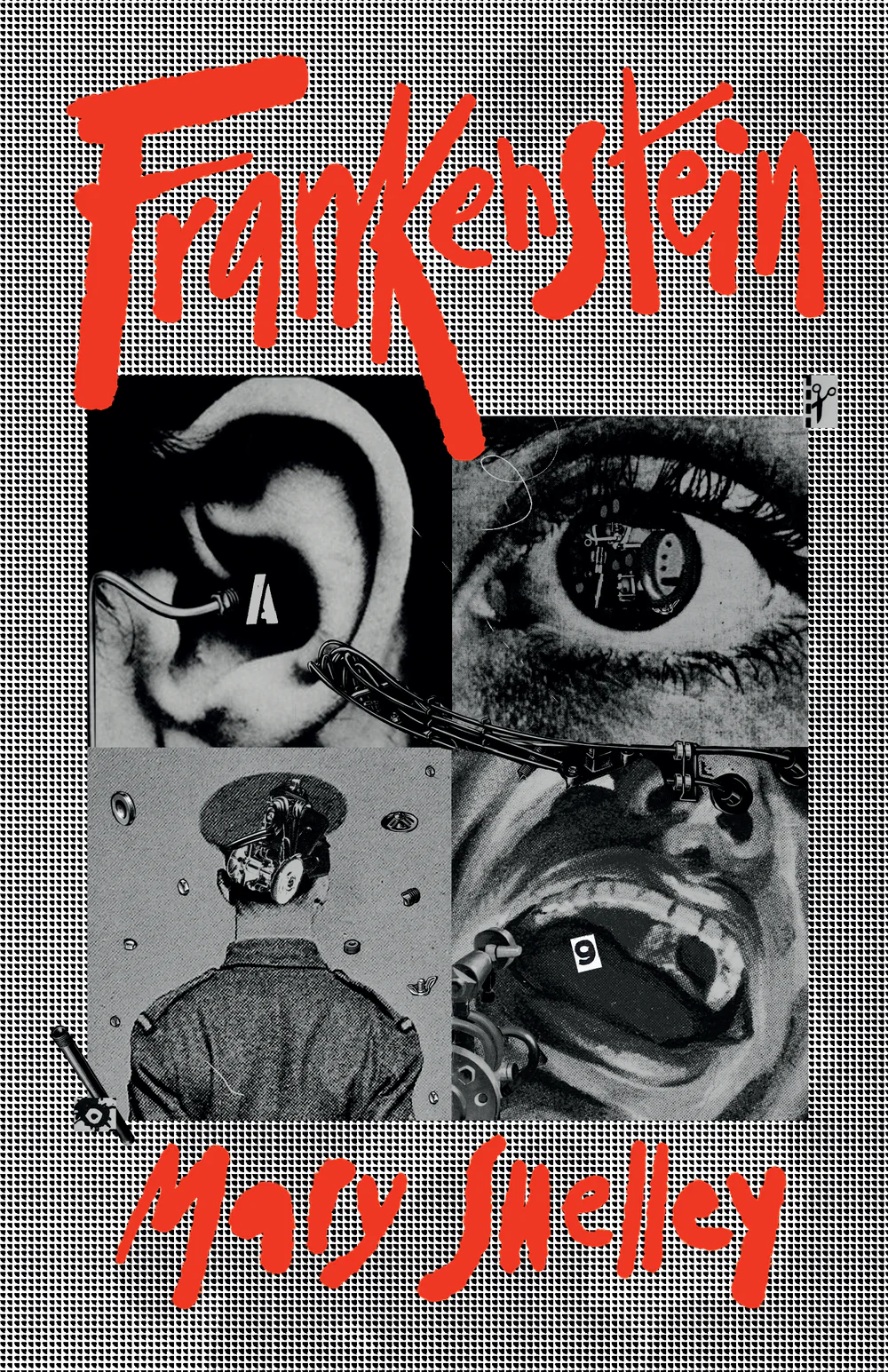
Frankenstein é uma obra que dispensa apresentações. Escrito quando Mary Shelley tinha apenas 18 anos, o livro conjuga pela primeira vez uma narrativa de ficção com a ideia de ciência e prenuncia várias perguntas sem respostas fáceis, justificando por que sua criatura emblemática se espraia pelo imaginário popular há mais de dois séculos.
Quando Victor Frankenstein decide arrematar meses de pesquisa recorrendo aos primórdios da ciência e da medicina modernas, o propósito é um só: conquistar a fama dando vida ao inanimado. Aspiração e progresso, no entanto, não são páreo para a
força sobre-humana do ser criado — e menos ainda para a ambição arrogante do
cientista brincando de Deus. Frankenstein começa uma dança perturbadora e violenta com sua criação, levando …
“É inegável o impacto de Frankenstein para a ficção científica e para a fantasia.” — Ann Leckie, autora de Justiça ancilar
O clássico gótico que inaugurou a ficção científica
Frankenstein é uma obra que dispensa apresentações. Escrito quando Mary Shelley tinha apenas 18 anos, o livro conjuga pela primeira vez uma narrativa de ficção com a ideia de ciência e prenuncia várias perguntas sem respostas fáceis, justificando por que sua criatura emblemática se espraia pelo imaginário popular há mais de dois séculos.
Quando Victor Frankenstein decide arrematar meses de pesquisa recorrendo aos primórdios da ciência e da medicina modernas, o propósito é um só: conquistar a fama dando vida ao inanimado. Aspiração e progresso, no entanto, não são páreo para a
força sobre-humana do ser criado — e menos ainda para a ambição arrogante do
cientista brincando de Deus. Frankenstein começa uma dança perturbadora e violenta com sua criação, levando o leitor a indagar quem é o monstro, de fato.
De Tim Burton e Junji Ito a Pobres criaturas, Blade Runner e The Rocky Horror Picture Show, não faltam motivos para o homem-máquina de Shelley ter inspirado centenas de novos clássicos da atualidade. Com material histórico e posfácio exclusivo, esta edição de Frankenstein celebra uma obra
atemporal que, duzentos anos depois de seu lançamento, segue fascinando pela
relevância dos dilemas éticos e pelos questionamentos inerentes às relações
humanas.
Review of 'Frankenstein o el moderno prometeo - 3. ed.' on 'Goodreads'
4 stars
Es increíble como después de tantas adaptaciones y habiendo pasado más de 200 años desde su publicación no sabía de que iba la obra original de Frankenstein.
Me ha gustado mucho lo romántica y desgarradora que es, cómo describe la belleza, los sentimientos, el amor, la soledad y los desgraciados acontecimientos. Y una gozada eso de que no haya ningún dato que sobre, todo está perfectamente hilado. Adoro cuando al final de las historias recuerdan fragmentos del princio o del medio.
★★★★☆ (4/5) porque a pesar de lo anterior a veces es un poco turras.
Like most classics this book involves a bit of work to get through and really appreciate. It's stood the tests of time because you can easily compare Dr. Frankenstein to the modern day tech innovators that create for the sake of creation without really stopping to think on what their creation is going to bring to the world.
Frankenstein's chapters are long and drawn out, really building up how much you the reader just want to absolutely strangle him. He is self-pitying and seems to put most of his friends and family on a weirdly high pedestal while also not giving them a second thought when it's inconvenient? I think Shelley has actually done a fabulous job at writing a complete narcissist.
The chapters following Frankenstein's monsters completely sucked me in however, and I wish more of the book had been spent on detailing the monster's experiences in life that …
Like most classics this book involves a bit of work to get through and really appreciate. It's stood the tests of time because you can easily compare Dr. Frankenstein to the modern day tech innovators that create for the sake of creation without really stopping to think on what their creation is going to bring to the world.
Frankenstein's chapters are long and drawn out, really building up how much you the reader just want to absolutely strangle him. He is self-pitying and seems to put most of his friends and family on a weirdly high pedestal while also not giving them a second thought when it's inconvenient? I think Shelley has actually done a fabulous job at writing a complete narcissist.
The chapters following Frankenstein's monsters completely sucked me in however, and I wish more of the book had been spent on detailing the monster's experiences in life that ultimately drove him to murder. The monster's chapters begin to feel rushed, and his fall from grace seems a bit ill-supported unless you the reader fill in some blanks. But by the end you absolutely understand that these are two not-great protagonists battling it out in a somewhat weird rivalry/friendship?
I would have loved to see what Shelley could have expanded upon would she have made this original text longer and more detailed. But with this loose framework of a tale she let forth one of the most popular Halloween characters to this date.
The book deals mith such complex topics in an incredibly well written story. I read the first part of the 1831 version and then switched to the 1818 version (I read all three parts) and both versions are intriguing. It’s going to be in my Spooky Season list!